

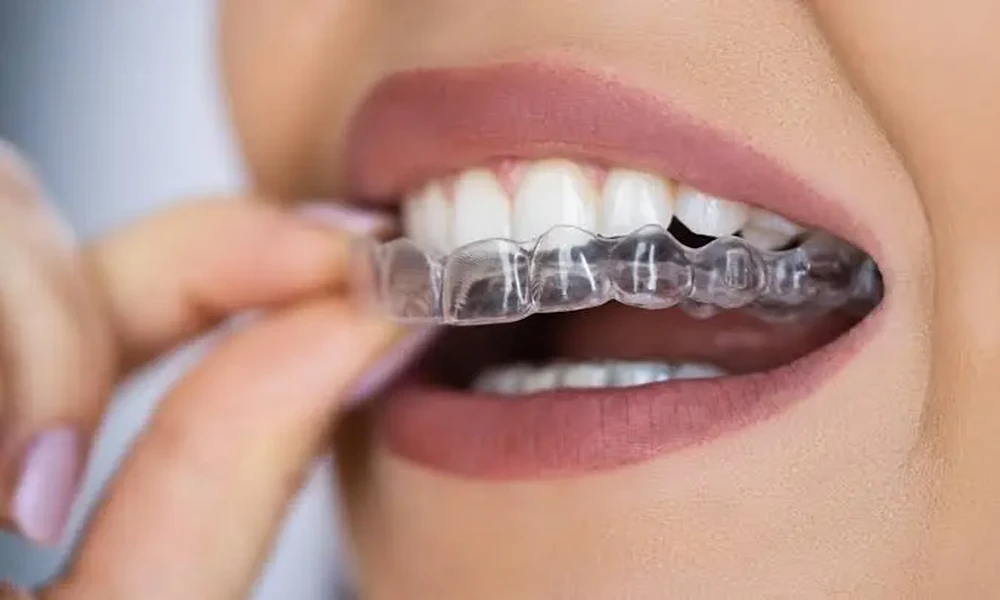
You might be excited to start clear aligners and still feel a little uneasy about what daily life will actually look like. That makes sense. The trays seem simple enough until you picture coffee on the way to work, quick snacks between meetings, late night brushing when you are already tired, and the small habits you barely notice now. Those habits matter more than most people expect, much like accounting solutions for small businesses in Hendersonville TN.
Clear aligners work best when your routine supports them. That does not mean you need a perfect lifestyle. It means you need a realistic one. A few everyday patterns can make treatment smoother, cleaner, and less frustrating from the start. If you review them before day one, you are less likely to deal with stained trays, sore teeth, dry mouth, or delays that drag treatment out longer than planned.
Wearing time shapes the success of clear aligner treatment
The biggest habit to review is how consistently you follow routines. Aligners usually need to be worn most of the day, and that can be a rude surprise if you are used to grazing, sipping drinks for hours, or taking your time after meals. Missing a little time here and there feels harmless, but those small gaps add up.
If you already know your days are unpredictable, build a system before treatment starts. Keep your case with you. Set reminders. Put the trays back in right after brushing instead of telling yourself you will do it in ten minutes. That delay often turns into an hour. Clear aligner treatment tends to go better when it fits your actual life, not the ideal version of it.
Frequent snacking can slow progress and raise cavity risk
People who snack often feel this one fast. Every snack means trays out, then cleaning your teeth before putting them back in. If you skip the cleaning step and pop the trays back on, food particles and sugar stay pressed against your teeth. That is how a simple convenience can turn into plaque buildup, bad breath, or decay.
The fix is not to stop eating. It is to be more intentional. Try grouping snacks with meals when you can. If you know you are someone who reaches for a bite every hour, plan portable tools like a toothbrush, floss picks, and water. The CDC oral health tips for adults support the basics that matter here, brushing, flossing, and staying ahead of preventable dental problems.
Coffee, tea, and sugary drinks can stain trays and teeth
This is where many people get caught off guard. You cannot casually sip coffee with aligners in the way you might with retainers. Dark drinks can stain the trays, and sweet or acidic drinks trapped under them create the kind of environment your teeth do not enjoy. Hot drinks can also affect the plastic.
If your morning starts with coffee and takes two hours to finish, that habit is worth reviewing now. Some people shift to drinking it with breakfast, then brushing before putting trays back in. Others shorten the sipping window. Water is the safe default while aligners are in. That one adjustment protects both the trays and your enamel.
Mouth breathing and low water intake can make aligners harder to tolerate
Dry mouth is not just annoying. It can make trays feel more noticeable, increase bad breath, and leave your mouth less protected. Saliva helps wash away food and balance acids, so when your mouth stays dry, irritation tends to show up faster.
If you already wake up with a dry mouth, take medications that cause it, or spend long days talking, check that habit before treatment starts. The National Institute of Dental and Craniofacial Research explains dry mouth clearly, including common causes and ways to manage it. More water, less caffeine, and attention to breathing habits can make a real difference.
Skipping floss now will be a bigger problem with invisible aligners
Aligners cover your teeth for most of the day. If plaque is already sitting between them, you are giving it more time to stay there. People who brush but rarely floss often learn this the hard way when their gums start feeling tender or puffy.
Invisible aligners do not create dental disease, but they can expose weak spots in your routine. If flossing is inconsistent now, start before your trays arrive. It is easier to build that habit early than to wait until your mouth feels irritated. The basics from MedlinePlus dental health guidance are a good reminder that daily care still does most of the heavy lifting.
Teeth grinding and tray clenching can add soreness and wear
Some people clench without noticing, especially during work, driving, or sleep. With aligners in place, that pressure can make soreness feel worse and may wear the trays down faster. You might catch yourself biting on them when you are stressed or concentrating.
If that sounds familiar, mention it at your appointment. Your provider may want to monitor fit more closely or give tips to reduce strain. This is one of those habits that seems small until your jaw feels tired every afternoon.
Cleaning habits affect comfort, odor, and appearance
A quick rinse is not the same as cleaning. Trays that are not cleaned well can collect odor, cloudy buildup, and bacteria. On the other hand, harsh toothpaste or very hot water can scratch or warp them. A lot of people do one of those two things because they are trying to be efficient.
Gentle daily cleaning works better. Use lukewarm water and the method your dental provider recommends. If your mornings are rushed, set up your bathroom so the process is easy. Good habits around any clear aligners routine save you from preventable problems later.
Everyday habits that help or hurt clear aligners
| Habit | If You Keep It Unchanged | Better Adjustment |
|---|---|---|
| Frequent snacking | More tray removal, more chances to skip brushing, higher cavity risk | Eat at set times and carry brushing supplies |
| Long coffee sipping | Staining, trapped sugar or acid, possible tray damage from heat | Drink with meals, remove trays, rinse and brush before reinserting |
| Low water intake | Dry mouth, odor, more irritation | Drink water often and monitor dry mouth symptoms |
| Skipping floss | Plaque between teeth, gum irritation | Floss daily before aligners become part of your routine |
| Clenching or grinding | More soreness, tray wear, jaw tension | Track the pattern and tell your provider |
Small changes before treatment make clear aligners easier to live with
Track your eating and drinking for three days. You do not need a full journal. A note on your phone is enough. Notice how often you snack, how long you sip coffee, and whether you usually have access to a bathroom after meals. This shows you where aligners will fit easily and where they will need a plan.
Build a simple oral care kit. Put a travel toothbrush, floss, and your aligner case in your bag, car, or desk. The goal is to remove friction. When the tools are close by, you are more likely to use them.
Fix one weak habit before your trays arrive. Start flossing every night. Cut back on all day sipping. Drink more water. Pick the habit that will cause the most trouble and work on that first. One steady improvement beats a burst of motivation that fades in a week.
Starting aligners does not require perfection. It asks for awareness, a little honesty about your routine, and a willingness to adjust the habits that could get in your way. If your days already feel full, that does not mean you are a bad candidate. It means preparation matters. Review these 7 everyday habits to review before starting clear aligners, make a few practical changes, and you give yourself a much smoother start.
