

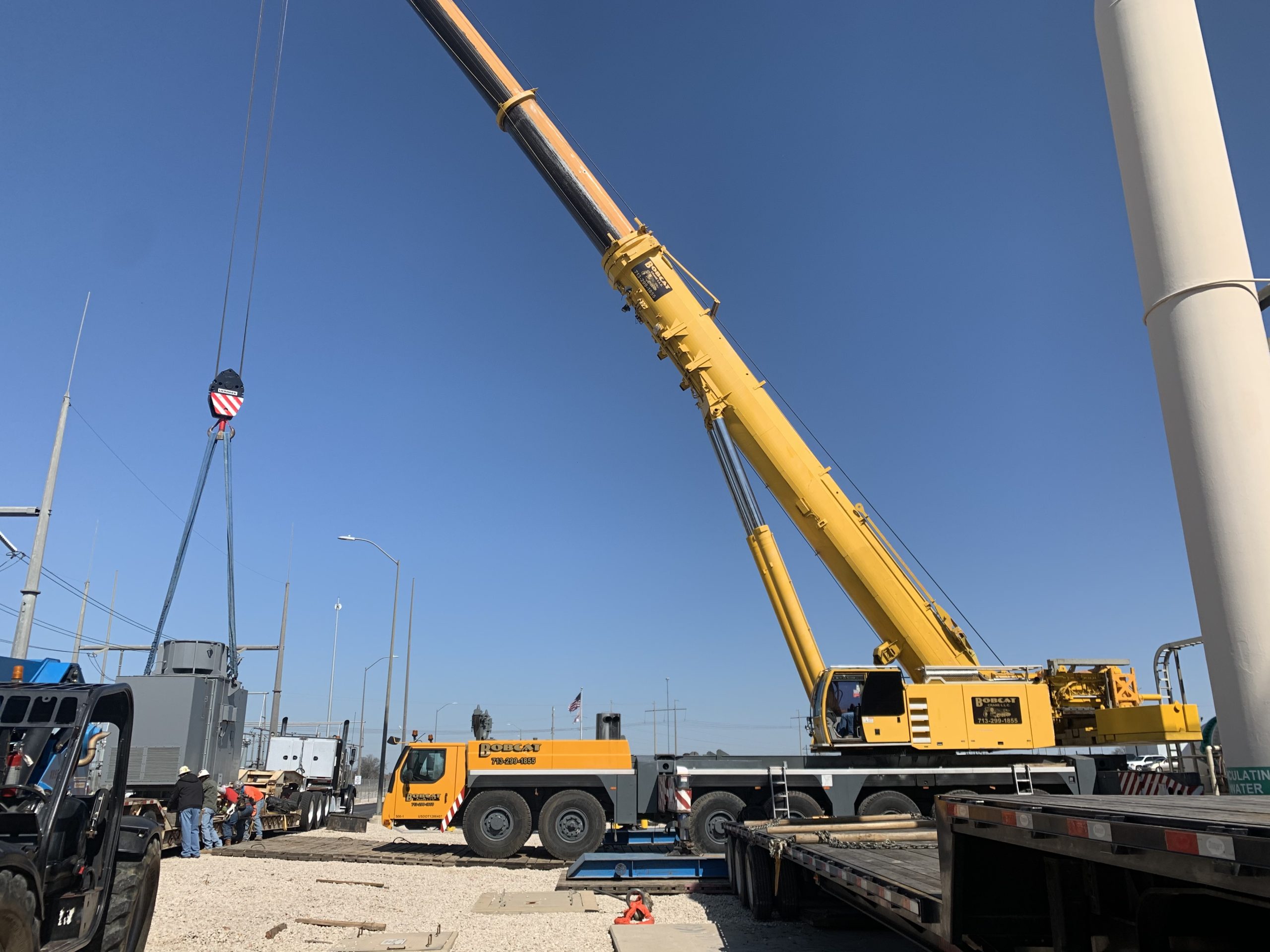
Modern businesses need flexibility when handling construction or lifting work. Possessing heavy machinery can be expensive, requiring large investments and care. Renting offers a cost-effective, applied method for temporary projects. Many companies now prefer flexible service models, saving both time and capital. Selecting the right plan matters for project success. For instance, companies often check the mobile crane rental price before starting their work to optimize expenses.
Flexible Work Options
Rental services allow scheduling machines only when required, giving freedom to adjust as projects change. This flexibility prevents idle equipment and supports better project coordination.
Access to Skilled Assistance
Rental providers often include skilled operators who manage the machinery. This service reduces the need for training programs, ensuring safety and precision during heavy lifting.
Efficient Resource Planning
Short projects benefit from renting due to flexible scheduling and cost-saving options. Key factors supporting this model include:
- Save funds over long-term equipment ownership and maintenance costs.
- Reduce asset depreciation through flexible service usage.
- Avoid permanent storage space investment.
- Manage workforce allocation effectively during rental periods.
- Maintain high productivity levels through timely equipment access.
Suitable for Temporary Tasks
Short-term work rarely requires a purchase. Renting offers equipment exactly when required. This saves costs and matches project demands without unnecessary ownership.
Safety Standards
Certified services follow strict protocols, ensuring safety for operators and staff. Regular inspections and compliance rules create a secure work environment for construction and lifting operations.
Sustainability Factor
Rental systems encourage resource sharing, promoting environmentally responsible practices through reduced production demands. Important points include:
- Shared use reduces resource waste and emissions.
- Efficient machines consume less energy overall.
- Eliminates need for constant new equipment manufacturing.
- Extends product life cycles effectively.
- Minimizes space used for parked heavy equipment.
Reduced Maintenance Work
Renting means service providers handle technical maintenance. Project teams avoid interruptions caused by machine repairs and focus entirely on progress without delays.
Lower Risk Exposure
Rental agreements reduce the risks linked to breakdowns or outdated machinery. Some notable aspects include:
- Providers replace faulty equipment quickly without downtime.
- No depreciation worries due to updated machines.
- Minimized repair risks from mechanical failure.
- Contract-based coverage ensures accountability.
- Easy replacement options simplify equipment handling.
Evaluating project costs before purchase leads to practical advantages. Renting heavy equipment offers savings, suppleness, and access to modern tools that increase productivity. Businesses analyzing mobile crane rental price find it beneficial for handling both resources and budgets professionally.
FAQs
What are the main benefits of renting cranes?
Renting offers cost savings, flexibility, and maintenance-free access to high-quality equipment suitable for short projects.
How does crane rental support budgeting?
It provides predictable expenses, reducing financial strain through fixed terms and clear pricing for project planning efficiency.
